
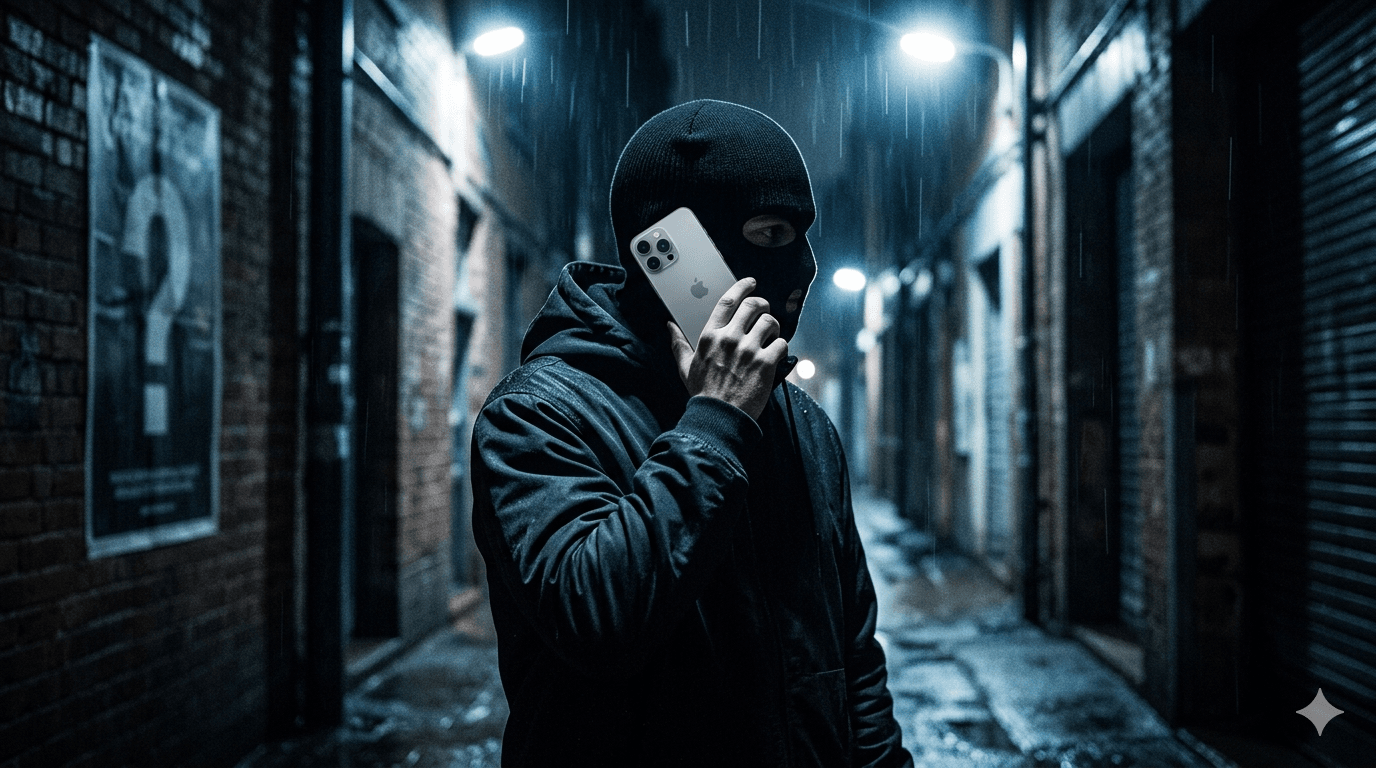
What to Do When Receiving Anonymous Calls
Anonymous calls can be a real nuisance and sometimes a risk. They come from blocked or private numbers and are often used for harassment or fraud attempts. To deal with such calls, here's what you need to know:
- Do not disclose personal information: Never give out details like your ID number or bank account information.
- Keep a record: Write down the call details – date, time, and content. This may help if you need to report it to the authorities.
- Block anonymous calls: Smartphones allow you to block private numbers through settings.
- Use dedicated apps: Apps like Traceback help identify calls from blocked numbers and provide detailed reports.
- Report harassment: Contact the police or the Consumer Protection Authority if it's harassment or suspected fraud.
Important Tip: Registering for the "Do Not Call Me" service of the Ministry of Communications can reduce unwanted marketing calls. Don't wait – act now to protect your privacy!
How to Identify and Handle Anonymous Calls
How to Identify Suspicious Anonymous Calls
Studies show that 73% of anonymous calls are spam or harassment. When you receive a call from an unidentified number, pay attention to suspicious signs. For example, if the caller sounds like they are impersonating a representative of a known entity or trying to pressure you into giving personal information. Early identification of such signs can prevent falling victim to fraud.
What to Do Immediately When Receiving Such a Call
- Do not disclose personal information: Avoid sharing details like ID numbers, bank account details, or passwords.
- Stay calm: Scammers tend to create a sense of urgency to make you act quickly and without thinking.
- Document the call: Write down the time, duration of the call, and content of what was said. These details can serve as evidence if you choose to report the incident.
Common Phone Scams in Israel
Beyond proper conduct during a call, it's worth knowing the methods scammers use on the phone. One common method is impersonating representatives of well-known companies, such as insurance companies or banks. Their goal is to convince you to reveal sensitive information or make financial transfers.
Important to remember: Telephone harassment is a criminal offense in Israel. If you experience harassment or suspect fraud, do not hesitate to report it to the authorities. This not only protects you but also helps prevent further incidents.
Using Apps and Tools to Block Anonymous Calls
Built-in Blocking Features on Your Phone
Most smartphones have built-in tools that allow blocking calls from anonymous numbers. On Android devices, you can access the phone app, tap the three dots in the upper corner, select "Settings," and then "Block numbers." Here you will find an option to block calls from unsaved numbers or those marked as private.
On iPhones, go to "Settings," select "Phone," and then "Call Identification & Blocking." Under "Silence Unknown Callers," you can choose between options like "Ask for call reason" or "Silence." When silent mode is activated, calls from blocked numbers will go directly to voicemail.
If you are interested in deeper identification of anonymous calls, consider using dedicated apps like Traceback.
Traceback: A Solution for Identifying Anonymous Callers
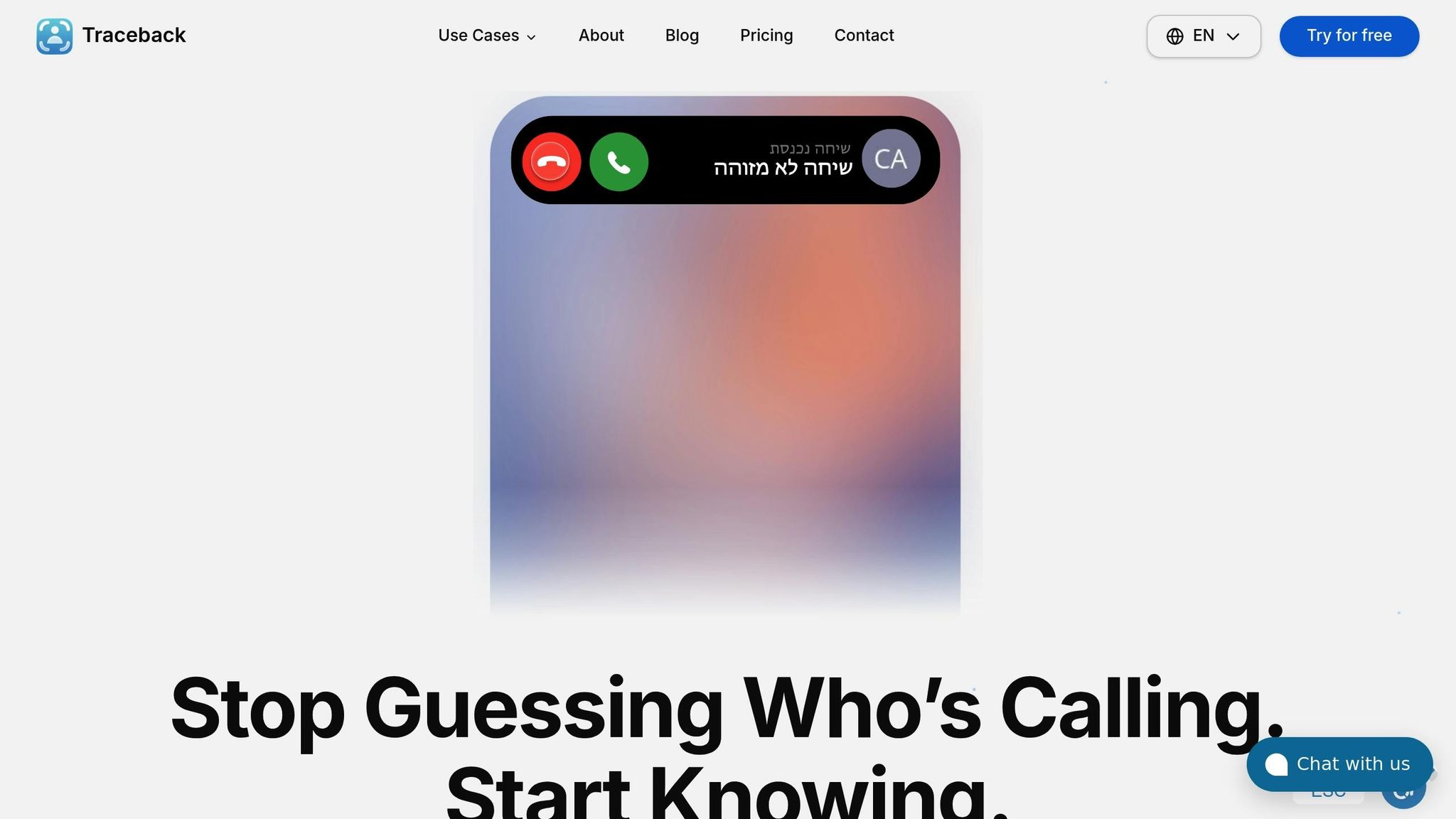
While built-in blocking features do not reveal the caller's identity, Traceback provides an advanced solution designed for the Israeli market. The app enables real-time identification of calls from blocked numbers, including immediate alerts for missed calls.
Additionally, Traceback records a detailed call history with information such as timestamps and caller details. It also allows exporting official reports, which can be especially useful in cases of recurring harassment or for legal purposes.
The app is available in several subscription plans:
- Weekly: 13 ₪
- Monthly: 22.90 ₪
- Annually: 225 ₪ (offering cost savings over time)
It is important to note that the app focuses on user privacy and does not store sensitive information beyond what is required.
Compatibility with Cellular Providers in Israel
Traceback integrates easily with leading cellular providers in Israel, including Pelephone, Cellcom, Partner, and Golan Telecom. No special changes to your cellular plan or coordination with the provider are needed – simply download the app, complete a short registration, and it starts working immediately.
Download:
- iOS: Traceback on the App Store
- Android: Traceback on Google Play
The app also offers 24/7 customer support, so you can get help at any time in case of technical issues. It is important to remember that Traceback is a helpful tool, but the choice of how to deal with calls remains yours. Personal awareness is always the first line of defense.
How to Block Calls from Private Numbers
Legal Steps and Reporting Anonymous Calls in Israel
In addition to technical tools, it's important to know your legal rights and ways to report phone violations.
Your Telephone Privacy Rights in Israel
In Israel, there is legal protection against telephone harassment. According to the Privacy Protection Law, 5741-1981, calls intended to harass or intimidate are considered an infringement of your privacy rights.
Furthermore, if you receive calls from a blocked number with the intent to defraud or threaten, this may be considered a criminal offense under the Penal Law, 5737-1977.
How to Report Telephone Harassment or Fraud
In cases of harassment or suspected fraud, it is important to document the following information: dates, times, call content, and the phone numbers involved.
- For telephone harassment: You can contact the Consumer Protection Authority through their website or by phone at 1-800-20-2020. The Authority handles complaints about unwanted marketing calls and acts against businesses that violate the law.
- For suspected fraud or threats: File a complaint at the nearest police station or on the Israel Police website. Keep all documentation you have to support your complaint.
If you use Traceback, you can generate official reports that include details such as timestamps and caller data. These reports can serve as important evidence for the authorities.
Joining the "Do Not Call Me" List
Registering for the "Do Not Call Me" list can reduce the number of unwanted marketing calls.
- How to register? Visit the Consumer Protection Authority website, fill out a short form, and add your phone numbers (mobile or landline). Registration is free and takes effect within 31 days.
However, the list is not effective against calls from sources that violate the law. Therefore, it is advisable to combine it with other tools, such as blocking anonymous calls or using advanced caller identification apps.
Daily Habits for Better Phone Security
To protect yourself from anonymous calls and fraud attempts, it is important to adopt regular security habits. Instead of waiting for the next problem, it's worth adopting a daily routine that will protect you proactively.
Ongoing Actions to Maintain Phone Privacy
Regularly update block lists. If you receive a suspicious call, block it immediately.
- For iOS users: Go to call history under "Recents," tap the "i" button next to the number, and select "Block This Caller."
- For Android users: Open the phone app, tap the three dots, go to "Call history," select the call, and choose "Block/report spam."
Review your call history weekly. Pay attention to suspicious patterns, such as numbers that call repeatedly, calls at unusual hours, or numbers with foreign prefixes. Services like Traceback can help identify such patterns and generate detailed reports.
Check app permissions monthly. Go through the apps installed on your phone, remove unused apps, and check which ones access your personal information – such as contacts, microphone, or other sensitive data.
Also, make sure to share these habits with all family members so that everyone follows the same basic rules.
Educating Family Members about Phone Safety
Seniors and children are populations that require special guidance. For older adults, it is important to explain common types of fraud such as debt collection scams, fake lotteries, aggressive marketing calls, or phishing attempts. Tools like tellows.org can help identify suspicious numbers.
For children, enabling parental control services is critical. Many cellular companies, such as Pelephone, offer free parental control services. It is important to explain to children the potential risks, such as exposure to inappropriate content, cyberbullying, or online gambling.
Regular family discussions about phone safety are an excellent way to maintain awareness. Set clear rules: do not give out personal information to unknown callers, and do not allow strangers remote access to your devices.
Common Mistakes to Avoid
In addition to adopting good habits, it is important to know which mistakes can put you at risk.
Do not return calls to suspicious numbers. Even if the call was disconnected quickly, it is better not to call back – this is a common method used by scammers to confirm your number is active.
Do not ignore privacy settings. Many people grant app permissions without reading the terms. Take the time to check what data is being collected and the purpose of its use.
Registering for the "Do Not Call Me" list is mandatory. The list is free and anonymous, and prevents marketing calls after 15 days of registration. You can also add your family members' phone numbers.
Recent data from 2023 reveals that 16% of customers worldwide have been affected by phone scams. In countries like Germany and France, the percentages are higher – 19% and 18% respectively. In addition, people spend an average of 9 minutes a day – almost 8 hours a year – filtering unwanted calls.
Request the removal of personal data from databases. You can send a written request to data owners to have your personal information removed. The law requires them to process these requests.
Summary: Staying Safe from Anonymous Calls
Anonymous calls can pose a real threat, but with the right tools and steps, you can deal with them effectively. A quick response is key – don't wait for the situation to worsen.
To protect your privacy, here are some steps to implement:
- Block unknown numbers: Set up your phone to block calls from numbers you don't recognize.
- Register for the "Do Not Call Me" list: Join the Ministry of Communications service that prevents nuisance calls.
- Use technological tools to identify anonymous callers: Dedicated apps and services can provide information about calls from unknown numbers.
In case of recurring harassment, contact the authorities immediately. The police in Israel take such complaints seriously, so it is important to keep a record of calls for legal proceedings.
A small investment today can save big problems in the future. Services like Traceback integrate with cellular networks in Israel and provide effective solutions.
Remember, protecting your privacy is not just a personal matter – it's a shared responsibility. Update your phone's security settings, instruct family members on how to deal with such calls, and contact the authorities if necessary. A combination of technological tools, smart behavior, and legal support will ensure your safety.
Don't delay – activate your protection measures today!
FAQs
How can one tell if an anonymous call is a scam or an attempt to harass?
To understand if an anonymous call is a scam or harassment, it's good to pay attention to a few signs that might raise suspicion. If you are asked for personal or sensitive details, such as a bank account number or ID, this is a clear red flag. Additionally, be wary of calls that try to pressure you into acting immediately, offer unrealistic deals, or come from unknown or suspicious numbers.
If you suspect it's a scam or harassment, do not share any personal information and try to end the call as quickly as possible. Using call identification apps or blocking the number can help. If it involves recurring harassment, consider contacting law enforcement to handle the situation professionally and safely.
What can be done in case of phone harassment?
In cases of phone harassment, there are several legal steps you can take to deal with the situation. Filing a police report is one of the main ways, especially if the harassment is recurrent or threatening in nature. Furthermore, it's advisable to seek legal advice to understand your rights and the legal tools available to you.
If the harassment continues, you can file a request for a restraining order in court. This order may provide legal protection and prevent further harassment. It is very important to keep a record of the harassment, such as call recordings or screenshots of messages, to present solid evidence when contacting authorities.
How can Traceback help in identifying anonymous calls?
Apps like Traceback offer smart tools focused on identifying anonymous calls, detecting spammers, and protecting against nuisance calls. They do this using advanced technologies and information from various sources to provide accurate details about incoming calls.
Moreover, the app allows you to block unwanted numbers and report suspicious calls. Thus, it helps maintain your privacy and sense of security. Traceback provides a simple and convenient solution for dealing with anonymous calls in a way that offers peace of mind.